


Ponies, grazing and the Dartmoor Commons

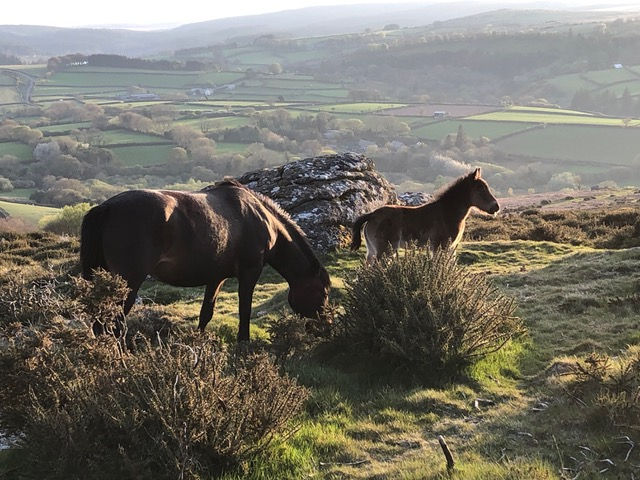
Dartmoor Nature Alliance (DNA) recognises the cultural importance of the Dartmoor Hill Ponies, alongside the growing scientific evidence supporting the value of their grazing patterns, including the work undertaken by Plymouth University.
We also strongly recognise the importance of multi-species grazing systems more broadly. Different animals graze in different ways, and those varied grazing patterns can all play an important role depending on the ecological outcomes being sought in a particular landscape.
For that reason, we do not see habitat restoration and pony conservation as opposing goals. In many cases they should be complementary.
Given the wider concerns about grazing levels across the commons, DNA completely supports Natural England’s position that ponies should be included within stocking calculations. These, after all, are grazing animals in the same way as cattle and sheep, and therefore have the potential to shape the vegetation, for better or worse. We welcome Defra minister Angela Eagle's clarity on this in the Commons this week [2 June]:
as with all livestock, they are included in stocking density calculations as they contribute to overall grazing pressure.
Importantly, including them as grazing animals also means ponies can now be properly recognised within agri-environment payment schemes, helping ensure they are valued equally alongside cattle and sheep.
The Environmental Land Management Scheme now includes three specific options supporting pony grazing on moorland:
We see this as a genuine opportunity for ponies and cattle to be equally supported within future land management, while still allowing individual farmers and commoners to decide what stock they wish to keep.
Transparency on Management of Ponies
DNA also believe there needs to be greater transparency and consistency around the management of all ponies grazing on the open moor. Visible identification, publicly available stock records, and proper management of unclaimed or unmarked animals are all important parts of ensuring both animal welfare and public confidence in the future of commoning.
Note (added 16 June for clarification) - While these options are available for moorland, they are not currently available for common land due to a lack of online functionality in the application process managed by Defra and the Rural Payments Agency. It is hoped that this will be resolved, and the figures are therefore provided here to show what will be available to support pony grazing on Dartmoor's common land. Likewise, it is hoped that, if successful, the new Landscape Recovery Schemes will also provide similar options for supporting ponies as part of the grazing mix on Dartmoor.


Comments